Security cameras have become a core part of modern smart homes, offering homeowners greater control, visibility, and peace of mind. With remote monitoring, intelligent alerts, and seamless integration with smart devices, today’s cameras go far beyond basic surveillance.
This blog explains how security cameras work within smart home systems, highlights their key features, explores integration options, and helps you choose the right setup for long-term safety and convenience.
The Evolution of Security Cameras in Smart Homes
Security cameras have evolved from bulky analog systems into intelligent, connected devices that fit perfectly within modern smart homes. Early cameras provided limited footage quality and required complex wiring, making them less accessible for everyday homeowners.
Today’s systems offer high-definition video, night vision, AI-powered motion detection, and real-time alerts. These advancements make surveillance more accurate, user-friendly, and adaptable to both residential and commercial environments.
From Analog to Digital Systems
The shift from analog to digital cameras marked a major improvement in image clarity and reliability. Digital systems allow easier storage, faster access to footage, and better integration with smart devices.
High-Definition and 4K Video Quality
Modern cameras support 1080p and 4K resolution, enabling clearer identification of faces and objects. This level of detail is especially useful for monitoring large areas like driveways or apartment complexes.
Improved Night Vision Capabilities
Before choosing a camera, it is important to understand how night vision improves security coverage. Modern systems use advanced sensors to maintain visibility after dark.
- Infrared night vision for clear black-and-white footage
- Color night vision for enhanced detail in low light
- Round-the-clock monitoring without blind spots
Smarter Surveillance Experience
These improvements ensure homeowners receive reliable footage and alerts, creating a stronger and more responsive security setup.
Key Features of Modern Security Cameras
Modern security cameras come equipped with advanced features designed to enhance safety and reduce false alerts. These features allow homeowners to monitor activity efficiently and respond quickly when needed.
By combining hardware innovation with intelligent software, smart cameras deliver dependable protection while remaining easy to manage through mobile apps.
Advanced Motion Detection Technology
Smart cameras use motion sensors that can distinguish between humans, animals, and environmental movement. This reduces unnecessary notifications and improves alert accuracy.
Two-Way Audio Communication
Two-way audio allows homeowners to speak directly through the camera. This feature is useful for greeting visitors, guiding deliveries, or deterring intruders remotely.
Core Functional Benefits
Understanding these benefits helps in selecting the right camera system for your needs.
- Instant alerts for unusual activity
- Remote communication via mobile apps
- Better event awareness at all times
Together, these features create a dependable security layer that adapts to daily routines and unexpected events.
Indoor vs Outdoor Security Cameras
Indoor and outdoor security cameras serve different purposes and are designed with specific environments in mind. Choosing the right type ensures effective coverage and long-term durability.
Understanding their differences helps homeowners build a balanced security system without overspending or under-protecting key areas.
Outdoor cameras are built with weather-resistant materials to handle rain, heat, and dust. They are ideal for monitoring entry points, driveways, and perimeters.
Indoor cameras focus on discreet design and easy installation. They are commonly used in living rooms, nurseries, or home offices for internal monitoring.
Usage Comparison
Before installing, consider where each camera type performs best.
- Outdoor cameras for external security
- Indoor cameras for interior visibility
- Targeted placement for maximum coverage
Balanced Security Coverage
Using both indoor and outdoor cameras ensures full protection across your entire property.
Integration with Smart Home Technology
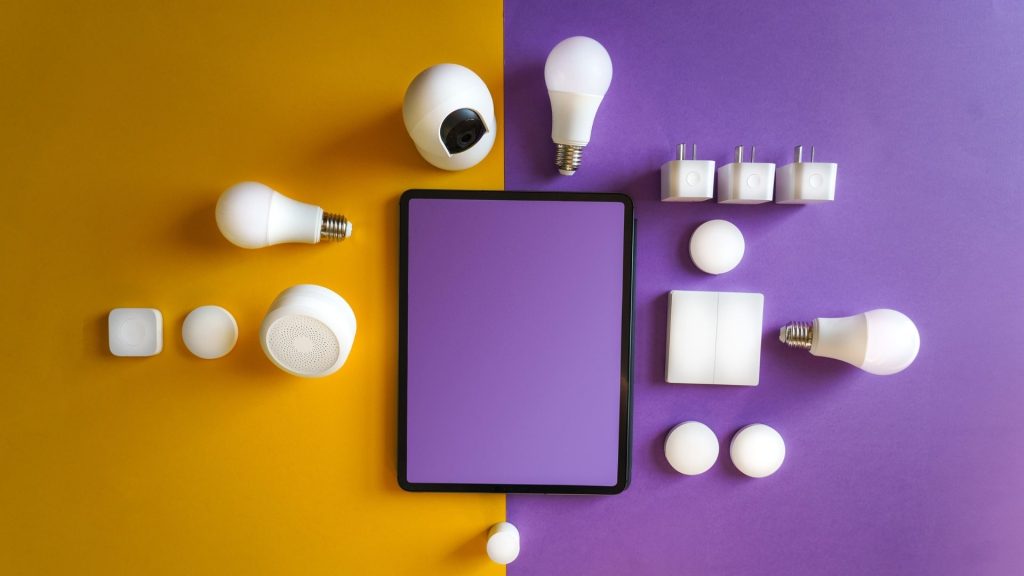
Security cameras work best when integrated into a smart home ecosystem. This allows centralized control of cameras, lighting, alarms, and other connected devices.
Smart integration improves response time and makes everyday monitoring more convenient through automation and voice commands.
Remote Access Through Mobile Apps
Homeowners can view live footage, playback recordings, and manage alerts directly from smartphones, even when away from home.
Voice Control and Automation
Security cameras integrate with assistants like Google Assistant and Amazon Alexa for hands-free control.
Smart Home Integration Benefits
Smart connectivity simplifies daily security management.
- Centralized control of devices
- Automated routines for safety
- Improved response speed
Unified Smart Living Experience
This integration creates a connected environment where safety and convenience work together seamlessly.
Choosing the Right Security Camera System
Selecting the right security camera system depends on your specific needs, property size, and budget. A well-planned choice ensures long-term reliability and better protection.
Understanding technical features and installation options helps homeowners avoid common mistakes and maximize system performance.
Resolution and Video Quality
Higher resolution cameras provide clearer footage, which is essential for identification and evidence.
Storage and Recording Options
Choose between cloud storage for remote access or local storage for full data control, depending on your preference.
Key Selection Factors
Before purchasing, evaluate these essentials.
- Motion detection accuracy
- Night vision performance
- Professional installation support
A reliable system offers peace of mind, consistent monitoring, and better protection for years to come.
Conculsion
Security cameras play a vital role in building a safe and intelligent smart home. With features like real-time alerts, AI-powered detection, and remote monitoring, they provide homeowners with constant awareness and control. These systems not only improve security but also add convenience through smart integrations and automation.
By choosing the right camera types, understanding key features, and integrating them properly with smart home technology, homeowners can create a strong and dependable safety ecosystem. Investing in modern security cameras today means securing your home for a smarter and safer future.
Frequently Asked Question's
What are the main benefits of security cameras in smart homes?
Security cameras provide real-time monitoring, instant alerts, and remote access, helping homeowners stay informed and protected at all times.
Can security cameras work without internet access?
Some cameras can operate locally using Bluetooth or local storage, but advanced features require a stable internet connection.
Are outdoor cameras different from indoor cameras?
Yes, outdoor cameras are weather-resistant and designed for external use, while indoor cameras focus on discreet design and easy installation.
Do smart security cameras reduce false alarms?
Modern cameras use AI-based motion detection to identify human movement, significantly reducing unnecessary alerts.
Is professional installation recommended?
Professional installation ensures correct setup, optimal coverage, and seamless integration with smart home systems.