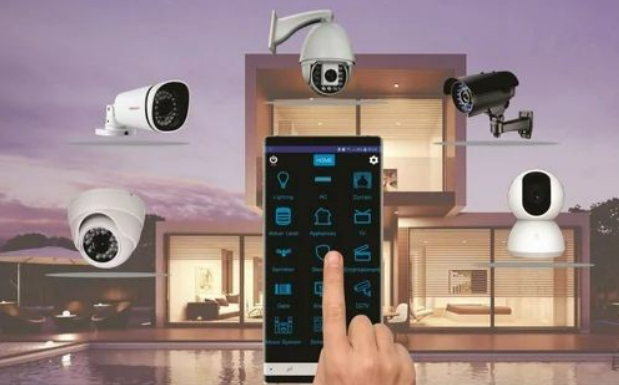
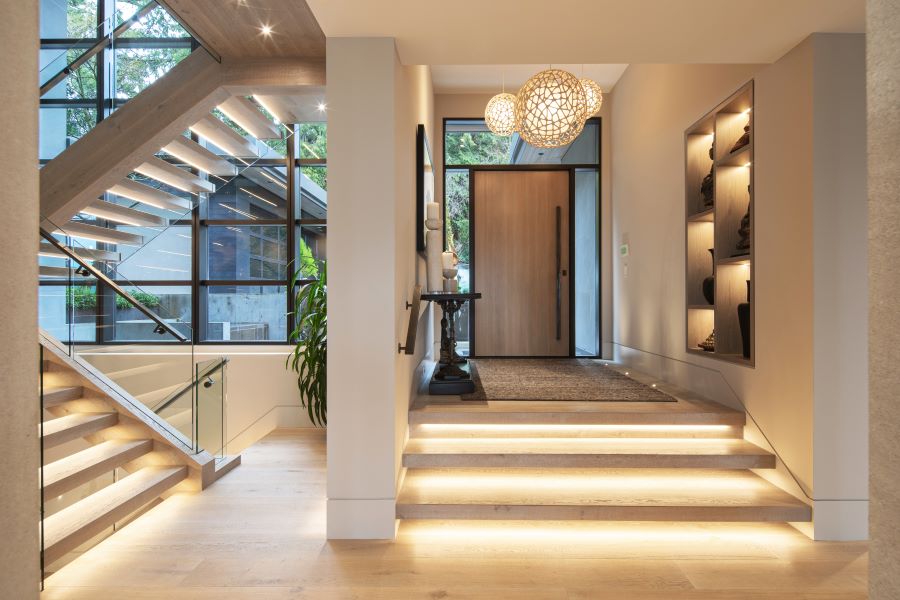
Smart lighting has become a core part of modern home automation, offering greater control, efficiency, and flexibility than traditional lighting systems. With smart lights, homeowners can manage brightness, color, schedules, and automation through mobile apps or voice assistants.
This blog explains how smart lighting works, the technologies behind it, its key benefits, installation best practices, and how it integrates with other smart devices to create a connected home environment.
What Is Smart Lighting?
Smart lighting refers to advanced lighting systems that allow users to control lights remotely and automatically. Unlike traditional switches, smart lights can be adjusted using smartphones, voice commands, or automation rules.
These systems give homeowners the ability to personalize lighting based on mood, time of day, or activity, making everyday living more comfortable and efficient.
Smart Lighting vs Traditional Lighting
Traditional lighting only offers basic on and off functionality. Smart lighting adds control, automation, and customization, allowing lights to adapt to your lifestyle rather than the other way around.
Key Differences at a Glance
- Manual switches vs app and voice control
- Fixed brightness vs adjustable levels
- No scheduling vs automated routines
Communication Technologies Behind Smart Lighting
Smart lighting systems rely on wireless communication technologies to function smoothly. These technologies allow lights, apps, and hubs to communicate with each other in real time.
Choosing the right communication method impacts performance, range, and reliability.
Zigbee is a low-power mesh network commonly used in home automation. Devices communicate with each other, extending coverage and improving stability.
Wi-Fi smart lights connect directly to your home network. They are easy to set up and ideal for users who prefer hub-free systems.
Bluetooth Control
- Best for short-range control
- Simple pairing with mobile devices
- Lower power consumption
How Smart Lights Work
Smart lights combine LED technology with wireless communication and software control. Commands sent from apps or voice assistants are transmitted to the bulbs, adjusting brightness, color, or schedules instantly.
Many systems use a central hub to manage multiple lights and ensure consistent performance.
LEDs consume less power and last longer than traditional bulbs. This makes them ideal for smart lighting systems focused on efficiency and durability.
Hubs like the Philips Hue Bridge connect lights to your home network. They improve reliability and allow advanced automation across multiple rooms.
Color and Brightness Control
One of the biggest advantages of smart lighting is personalization. Users can fine-tune lighting to match different moods, activities, and times of day.
This flexibility enhances both comfort and visual appeal.
Smart bulbs mix red, green, and blue light to create millions of colors. This allows complete control over ambiance and aesthetics.
Brightness Customization
- Dim lighting for relaxation
- Bright tones for productivity
- Warm light for evening comfort
Benefits of Smart Lighting Beyond Energy Savings
Smart lighting is not only about lower electricity bills. It also improves convenience, safety, and long-term value for homeowners.
These benefits make smart lighting a practical upgrade rather than a luxury.
Smart LED bulbs use significantly less power than incandescent bulbs while delivering the same brightness.
LED smart bulbs last much longer, reducing replacement costs and maintenance effort.
Additional Advantages
- Lower carbon footprint
- Reduced maintenance
- Better control over usage
Automation Features That Improve Daily Life
Automation allows smart lights to work without manual input. Once set up, lighting adjusts automatically based on time, motion, or routines.
This improves both convenience and home security.
Conculsion
Smart lighting is a key element of modern home automation, offering control, efficiency, and personalization beyond traditional lighting systems. From energy savings and automation to seamless integration with other smart devices, smart lights improve both comfort and functionality.
By understanding how smart lighting works and following best practices for installation and maintenance, homeowners can create a reliable, efficient, and truly connected living environment.
Frequently Asked Question's
What is smart lighting?
Smart lighting allows you to control lights remotely using apps or voice commands. It also supports automation, scheduling, and customization.
How do smart lights work?
They use wireless protocols like Zigbee, Wi-Fi, or Bluetooth to receive commands from apps or hubs and adjust lighting instantly.
Do smart lights require a hub?
Some systems require a hub, while others connect directly to Wi-Fi. It depends on the brand and setup.
Are smart lights energy-efficient?
Yes, smart lights use LED technology, which consumes less power and lasts longer than traditional bulbs.
Can smart lights be used outdoors?
Yes, many brands offer outdoor-rated smart lights designed to handle weather conditions.