Smart lighting is transforming modern homes by combining convenience, energy efficiency, and personalization into one intelligent system. Unlike traditional lighting, smart lighting allows homeowners to control brightness, color, schedules, and automation through mobile apps, voice assistants, or smart home platforms.
From improving daily comfort to enhancing security and reducing energy costs, smart lighting delivers practical benefits for both residential and commercial spaces. This blog explores how smart lighting works, the types of products available, key benefits, setup considerations, and what the future holds for this growing technology.
What Is Smart Lighting and Why It Matters
Smart lighting refers to advanced lighting systems that connect wirelessly using technologies like Zigbee, Wi-Fi, and Bluetooth. These systems replace or enhance traditional lighting by allowing remote control, automation, and customization through apps or smart assistants. Homeowners gain more control over how and when lights are used, improving comfort and efficiency.
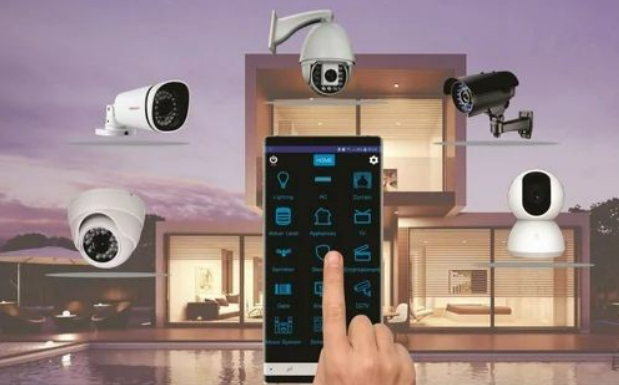
Beyond convenience, smart lighting plays a key role in modern smart homes. It integrates with other systems such as security cameras, thermostats, and voice assistants, creating a connected living environment. As energy costs rise and automation becomes standard, smart lighting is quickly becoming a must-have feature rather than a luxury.
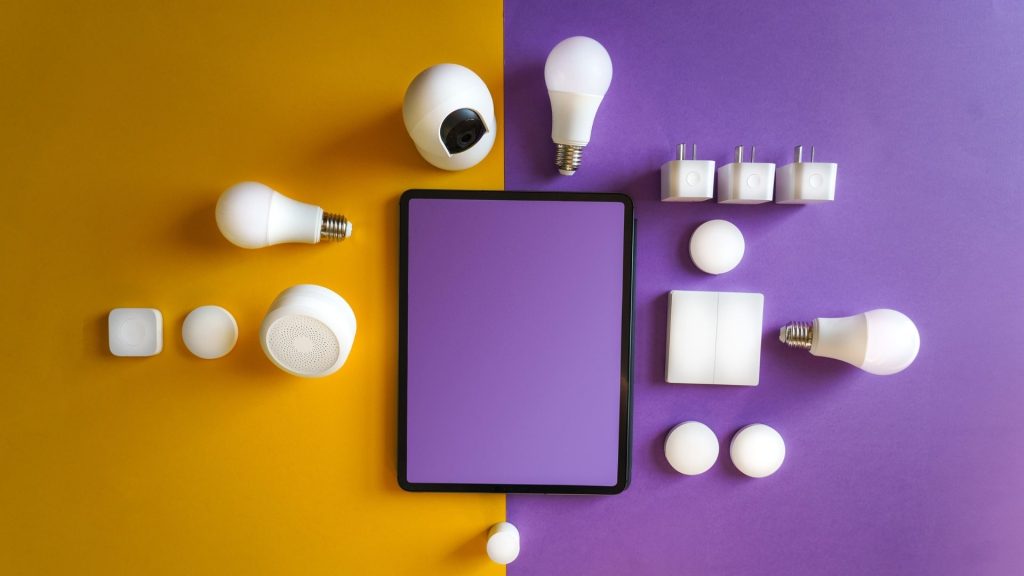
Smart bulbs are LED-based lights that allow dimming, color changes, and remote control. They can be installed like regular bulbs and managed through apps or voice commands.
Smart switches control existing light fixtures without changing bulbs. They are ideal for whole-room or circuit-level control.
Key Advantages of Smart Lighting
Smart lighting offers practical benefits that improve everyday living.
- Remote control from anywhere
- Reduced energy consumption
- Personalized lighting scenes
Growing Popularity in Modern Homes
With brands like Philips Hue, LIFX, and Nanoleaf, smart lighting adoption is increasing as homeowners seek smarter, more efficient solutions.
How Smart Lighting Works
Smart lighting systems operate through wireless communication between bulbs, switches, hubs, and mobile apps. These devices connect using Zigbee, Wi-Fi, or Bluetooth, allowing users to control lighting remotely or automate routines. Once connected, lighting can respond to schedules, motion sensors, or voice commands.
A central hub or smart home platform often manages these connections, ensuring smooth communication between devices. This setup enables homeowners to manage lighting from anywhere, whether they are inside the house or away.
Wireless Connectivity Importance
Wireless protocols allow lights to respond instantly to commands without physical switches. This connectivity enables automation and remote access.
App-Based Control Systems
Dedicated apps allow users to adjust brightness, colors, schedules, and scenes easily from a smartphone or tablet.
Voice Assistant Integration
Smart lighting works with platforms like Alexa, Google Assistant, and Siri.
- Hands-free control
- Faster everyday commands
- Better accessibility
Smart Home Platform Compatibility
Platforms like Philips Hue and Matter-enabled systems ensure lighting integrates smoothly with other smart devices.
Types of Smart Lighting Products Available
Smart lighting comes in multiple forms to suit different needs and preferences. Homeowners can choose between bulbs, switches, light strips, and decorative panels depending on functionality and design goals. Each product type offers unique benefits for different spaces.
Choosing the right product depends on whether you want individual light control, whole-room automation, or decorative lighting effects. Understanding these options helps build a system that matches both lifestyle and budget.
Smart bulbs offer color changing, tunable white light, and dimming features. They are ideal for flexible, room-by-room customization.
Smart switches control multiple lights at once and work well with existing fixtures. They reduce the need to replace every bulb.
Popular Smart Lighting Brands
Leading brands offer reliable ecosystems with different strengths.
- Philips Hue for full ecosystems
- LIFX for hub-free operation
- Nanoleaf for decorative lighting
Choosing Between Bulbs and Switches
Bulbs are best for customization, while switches suit large spaces and shared lighting circuits.
Benefits of a Well-Designed Smart Lighting System
A thoughtfully designed smart lighting system improves more than just visibility. It enhances security, comfort, and even personal well-being. Automated routines and remote access allow homeowners to manage lighting effortlessly while improving safety.
Smart lighting can also support healthier daily routines by syncing with natural light patterns. This makes it an important part of a balanced and comfortable living environment.
Scheduled lighting creates the appearance of occupancy, reducing the risk of break-ins.
Lights can be controlled remotely or through voice commands, eliminating manual effort.
Health and Wellness Benefits
Circadian lighting supports natural sleep and wake cycles.
- Warm tones for evenings
- Cool light for mornings
- Better sleep quality
Energy Efficiency and Cost Savings
LED-based smart lights reduce electricity usage and lower long-term utility bills.
The Future of Smart Lighting Technology
Smart lighting continues to evolve as standards like Matter improve compatibility across brands. These advancements make systems more flexible, scalable, and future-proof for homeowners. As automation becomes smarter, lighting systems will adapt more naturally to user behavior.
Future developments will focus on deeper integration, smarter energy management, and more intuitive automation. Investing now prepares homes for long-term technological growth.
Matter and Cross-Platform Compatibility
Matter allows devices from different brands to work together seamlessly.
Advanced Automation Features
Lighting systems will adapt automatically based on habits and environmental data.
Expected Technology Improvements
Upcoming innovations will focus on performance and efficiency.
- Smarter sensors
- Better energy optimization
- Wider device ecosystems
Smart Lighting as a Standard Feature
As adoption grows, smart lighting is becoming a normal part of modern homes.
Conculsion
Smart lighting is more than a convenience upgrade; it is a practical investment that enhances comfort, efficiency, security, and personalization. By allowing homeowners to control lighting remotely, automate routines, and customize environments, smart lighting improves everyday living while reducing energy waste.
As technology advances and standards like Matter expand compatibility, smart lighting systems will continue to evolve. Adopting smart lighting today prepares your home for a more connected, efficient, and future-ready lifestyle.
Frequently Asked Question's
What are the main benefits of smart lighting?
Smart lighting offers remote control, energy efficiency, automation, and customization, making homes more comfortable and efficient.
Can I install smart lighting myself?
Yes, most smart bulbs are easy to install, while smart switches may require basic electrical knowledge.
Do smart lights require an internet connection?
Some features need internet access, but many systems still function locally using Bluetooth or Zigbee.
Are smart lights energy efficient?
Smart lights use LED technology, consuming less power and lasting longer than traditional bulbs.
Can smart lighting integrate with other smart devices?
Yes, smart lighting works seamlessly with voice assistants, security systems, and smart home platforms.